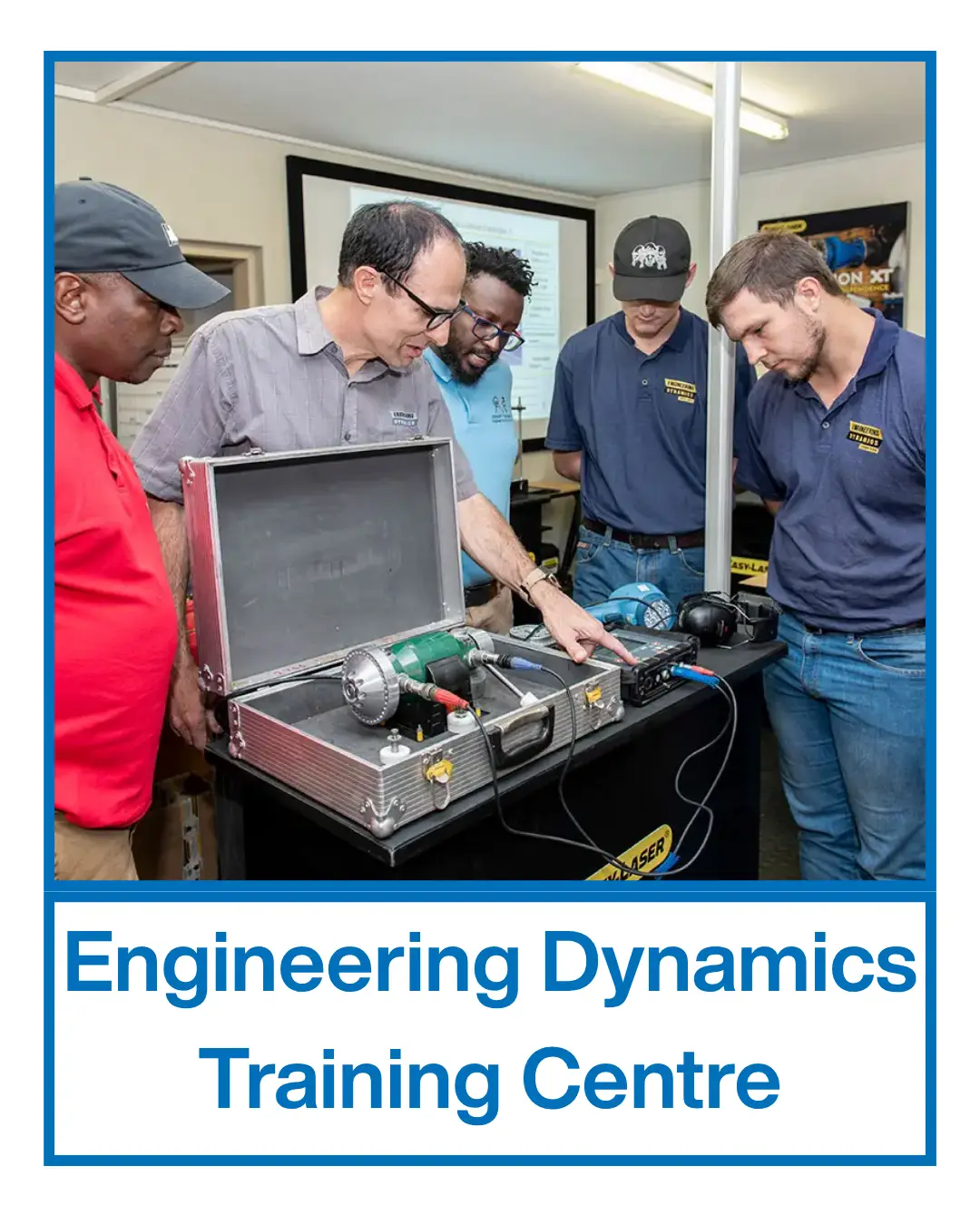
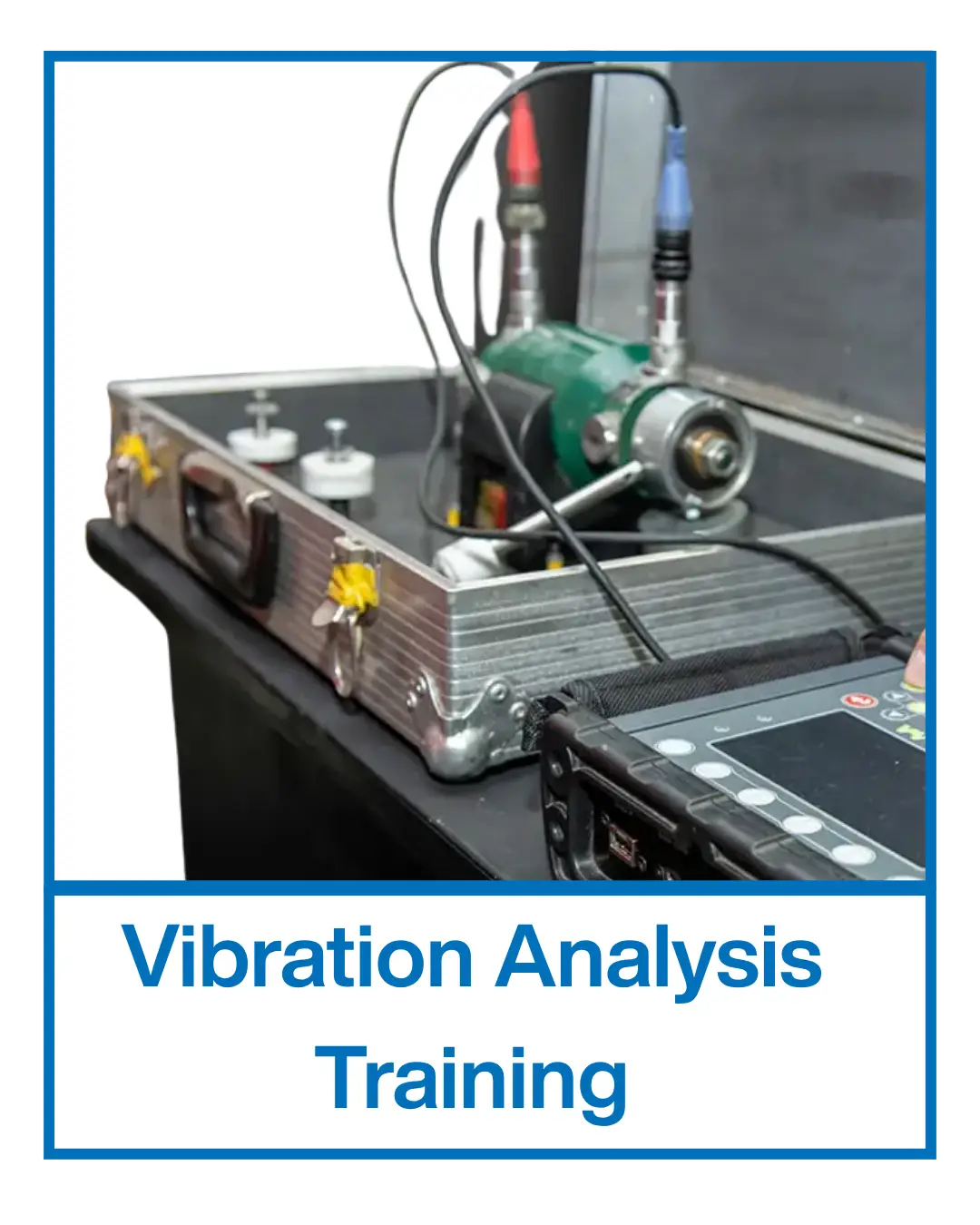
How Vibration Analysis and Balancing Training Prevents Failures
Preventing equipment failures begins with proper training. At Engineering Dynamics Pretoria, our vibration analysis and balancing courses are designed to improve team performance, reduce downtime, and align with your organisation’s strategic objectives.
With expert‑led sessions, you will gain practical skills to keep rotating equipment running smoothly and confidently.
ISO Category 1 Vibration Analysis Course
Duration: 4 days Location: Engineering Dynamics Training Centre, Lynnwood Ridge, Pretoria, South Africa Dates: 6–9 July and 5–8 October Price: R20 000 (VAT inclusive)
This ISO Category 1 course, based on ISO 18436‑2 standards, is the perfect foundation for anyone wanting to become a vibration analyst. It blends theory with hands‑on practice, ensuring you can apply knowledge directly in the field.
Course Highlights
Principles of vibration
Data acquisition and analysis
Fault diagnosis and corrective actions
Equipment testing and diagnosis
Certification: Pass the exam with 80% and receive your ISO Category 1 certificate.
Who should attend? Artisans, ConMon data collectors, rotating equipment specialists, and school leavers with mathematics.
Field Balancing Training
Duration: 3 days Location: Engineering Dynamics Training Centre, Lynnwood Ridge, Pretoria, South Africa Dates: 19–21 October 2026 Price: R15 525 (VAT inclusive, with proof of CAT 2 Vibration Course)
This course focuses on precision balancing techniques to save time and achieve accurate results in the field.
Course Highlights
Causes of unbalance and vibration overview
Balancing methods: polar plot, trigonometric, and instrument balancing
Sensor installation and hardware setup
Trial weight calculations and balancing sensitivity
Practical field balancing exercises
Certification: Pass the exam with 80% to earn your certificate.
Who should attend? Engineers and ConMon technicians.
Why These Courses Matter
By attending these courses, you will gain a complete skill set: the ability to detect problems early through vibration analysis and the expertise to correct them through balancing.
This combination ensures:
Longer equipment life
Reduced downtime
Improved operational efficiency
Take Control of Machine Health
Ready to secure your spot? Join us at the Engineering Dynamics Training Centre in Pretoria or request onsite training anywhere across Africa.
👉 Learn more and register today: Engineering Dynamics Training Courses
Related Articles
Explore these insights and updates from our blog.
How Vibration Analysis and Balancing Training Prevents Failure
How Vibration Analysis and Balancing Training Prevents Failures Preventing equipment failures begins with proper training. At Engineering Dynamics Pretoria, our
Why Condition Monitoring Reduces Downtime
Condition monitoring is changing how maintenance works in many industries by moving from fixing things after they break to addressing problems before they happen. By keeping an eye on important factors like vibration and temperature, engineers can spot early signs of trouble, avoiding expensive repairs and increasing the lifespan of equipment. With modern sensors and smart diagnostic tools, maintenance teams can respond to small issues before they grow. This forward-thinking method not only improves safety and efficiency but also protects operations in vital areas like mining and manufacturing. Find out how using structured condition monitoring programs can enhance your operations and improve your profits. Keep reading to learn more!

How Vibration Analysis Works in Condition Monitoring
Vibration analysis is a key tool in monitoring equipment conditions, allowing for early detection of mechanical problems like imbalance and misalignment before they cause expensive downtime. By using techniques such as spectrum analysis and regular checks, companies can improve equipment reliability and extend the life of their assets. This article explores how vibration analysis works, its importance in avoiding failures, and practical ways to implement it. Learn how organized monitoring programs and ISO-based training can help your team understand data better and take action. Read on to discover how to enhance your machinery’s performance!